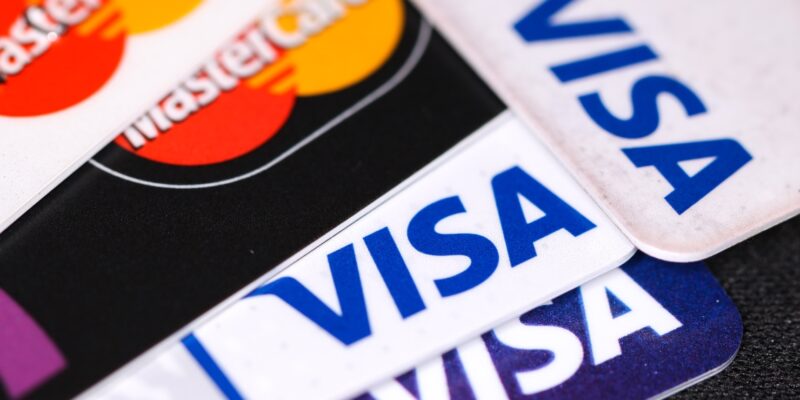

More than half of the stolen bank cards found on eight popular dark web sites come from the U.S., and the average price for a card is $7.01, according to a report by NordVPN.
Researchers at NordVPN made this discovery after analyzing about six million stolen payment cards on the dark web. Only 2.5 million of these cards were on sale. Some were available for free.
Most cards came with victims’ personal data like addresses and phone numbers. This may indicate that they were stolen through hacking. NordVPN told VPNOverview that the large number of stolen cards with personal information shows that cybercriminals are using “sophisticated hacking techniques beyond brute-forcing.”
“This suggests that these cards were likely obtained through more advanced methods such as phishing and malware attacks, which can exploit vulnerabilities in systems or trick individuals into providing their information,” NordVPN explained.
The Market for Stolen Credit Cards
While most of the stolen cards on the dark web came from the U.S. (58.1%), the average price of American bank cards ($6.86) is considerably less than cards from Denmark ($11.54).
The high price for cards from Denmark may be due to the country’s purchasing power and the perceived value of the personal information bundled with the card. Next to Denmark, cards from Japan and Portugal had the highest average price — $11.07, respectively.
According to NordVPN’s report, most stolen cards (51.5%) came with victims’ addresses, while about 39.8% came with phone numbers and 28.7% with email addresses. A small number of cards came with dates of birth (2.5%) and Social Security numbers (1.8%).
Accessing victims’ personal data and bank cards allows cybercriminals to launch phishing attacks and other fraudulent schemes. For example, scammers can use this data to open a bank account or get a credit card.
Data from the U.S. Federal Trade Commission (FTC) and the U.S. Census Bureau shows a 307 percent increase in new account fraud over the past three years. New account fraud generally involves scammers using stolen identities to open bank accounts — with the intention of engaging in fraudulent activities.
How to Protect Your Financial Data
According to NordVPN’s risk index, Malta, Australia, and New Zealand are the top countries with the highest chances of having stolen bank cards on the dark web. While the U.S. stood in fifth place, China and Russia received much lower risk scores.
No matter where you’re located in the world, it’s important to be vigilant and review your monthly statement closely for any suspicious activity. You can also protect your data from falling into the wrong hands by using a VPN, especially when conducting transactions or accessing financial websites on public Wi-Fi.
“Another recommendation is to have a separate bank account for different purposes and only keep small amounts of money on the one your payment cards are connected to. Some banks also offer temporary virtual cards you can use if you don’t feel safe while shopping online,” NordVPN said.
NordVPN also recommends securing your bank accounts with strong passwords and multi-factor authentication.
The company outlined a few ways financial institutions can strengthen their systems.
- Implementing stronger authentication measures, such as biometric authentication or token-based systems, provide additional security layers beyond just relying on card details.
- Enhancing fraud detection systems that can detect patterns of unusual or fraudulent behavior.
- Engaging in continuous security assessments and audits to identify and address potential vulnerabilities in their systems.
- Collaborating with industry regulators and standards bodies to ensure adherence to best practices and security guidelines.
“It’s important to recognize that cybersecurity is a constantly evolving field, and a multi-faceted approach involving various security measures, user education, and collaboration between stakeholders is crucial to effectively combatting payment card fraud and protecting both consumers and financial institutions,” NordVPN explained.
Eager to check if your card data is on the dark web? Read our guide to dark web monitoring to learn all about how you can do this.