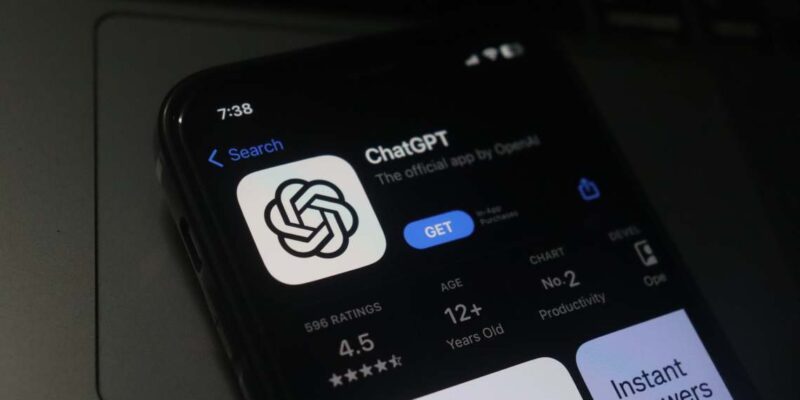

Members of the US House of Representatives are barred from using any large language model AI software, with the exception of ChatGPT Plus, according to media reports. The US House’s chief administrative officer, Catherine Szpindor, informed the House staff via a notice made public this week by Axios.
The notice stated only ChatGPT Plus contained “important privacy features” to keep sensitive House data safe. Szpindor also set out the conditions and limitations for ChatGPT Plus use in the notice and mentioned the monthly subscription price of $20 for the service.
“No other versions of ChatGPT or other large language models Al software are authorized for use in the House currently,” the notice reads.
However, it is not clear what security or privacy features the paid version of the tool has over the free version. As per OpenAI’s announcement in February, ChatGPT Plus offers users greater performance. This includes faster response times, access to the model even during peak usage hours, and being at the front of the line for new features and improvements.
OpenAI’s API data usage policy was updated in March 2023 and doesn’t use data submitted by customers to train or improve the company’s models automatically. However, users can decide to do so by opting in. According to OpenAI, any data sent through ChatGPT is retained for 30 days to monitor “abuse and misuse,” after which it will be deleted — unless required by law.
Conditions for ChatGPT Plus Usage by US House Members
Catherine Szpindor’s notice dictates that members can only use the product for research and evaluation. The general idea being that members focus on how the tool can help congressional operations. Members are not permitted to add the tool to their regular workflow.
Recent research from Group-IB found that info-stealing malware had infected over 100,000 devices and compromised their ChatGPT credentials. Any work device integrated with ChatGPT would potentially give the attackers access to sensitive company data.
On that note, Szpindor’s notice also states that members cannot input sensitive information, or data that has not been made public yet onto ChatGPT.
The final condition requires members to use ChatGPT Plus with privacy settings enabled. This means tweaking the settings to ensure that the service does not save session history or incorporate the interactions into the large language model. A user will have to enable these features from the Settings section after logging in.
Privacy Concerns With ChatGPT
It is interesting to note that regular free ChatGPT users can also delete their chat history and prevent OpenAI from using the conversations to train its LLM. However, the company does retain the data for 30 days to monitor abuse. OpenAI claims it deletes the data permanently after this period.
Integrating ChatGPT into organizational operations flow can create a security problem. Malware such as info stealers can grab login credentials and grant an attacker access to confidential information in ChatGPT conversations. Even if you disable saving conversation history and training, malicious third-party tools can still steal your information.
“Please note, this will not prevent unauthorized browser add-ons or malware on your computer from storing your history,” reads the official OpenAI FAQ on disabling chat history and data training.
We recommend accessing your ChatGPT account using incognito mode and with a VPN enabled to encrypt your traffic. If you’re in a region that restricts access to the AI tool, you can easily learn how to unblock ChatGPT in your country using a VPN as well.
NordVPN is a great choice for the job thanks to its Threat Protection that prevents websites from tracking you. See our full NordVPN review for a complete rundown.
Additionally, always ensure that you have a strong antivirus enabled so you can detect malicious files and unsecured websites before they can do any harm. If you’re in the market for one, check out our best antivirus software picks for 2023.