
The U.S. government has seized about 215,000 bitcoins — valued at over $5 billion — from dark web marketplaces and cybercriminals since 2020.
According to crypto firm 21.co, between 2020 and 2022, the U.S. government seized about 215,000 bitcoins. The three biggest sources of this crypto hoard are the Silk Road dark web marketplace, suspects linked to the Bitfinex hack in 2016, and convicted cybercriminal James Zhong. Each contributed 69.369 BTC, 94.243 BTC, and 51.326 BTC, respectively, to the U.S. government’s trove.
While the U.S. government is “one of the largest BTC whales,” it can’t necessarily use the money for now.
“The government moves generally very slowly to dispose of those assets because they’ve got to do a ton of due diligence, the cases are often complicated and there’s a lot of red tape,” Nicolas Christin, a professor of computer science at Carnegie Mellon University, told the Wall Street Journal.
Crypto Crimes and the Dark Web
Hidden deep within the internet’s multi-layered underbelly, the dark web has long been a haven for illicit, anonymized activities. And cryptocurrency is the preferred currency in this shadowy world.
The U.S. government’s seizure of $1 billion from Silk Road in November 2020 — one of the most popular dark web marketplaces at the time — foreshadowed a global crackdown on dark web markets. Since the Silk Road, law enforcement has taken down many other dark web markets, including Hydra and Genesis.
These platforms allow criminals to buy and sell various illegal items, including drugs, weapons, stolen personal data, malware, hacking tools, etc. Some dark web marketplaces are well-organized, with ratings for sellers and an escrow system to protect buyers. But they’re not immune to security exploits.
Zhong exploited a flaw in Silk Road’s withdrawal-processing system to acquire 50,000 bitcoins in 2012. This was part of his trove that law enforcement seized in 2021.
Dark web markets generate millions of dollars, usually held in crypto assets, and criminals launder these ill-gotten gains in various ways. In 2022, a Chainalysis report revealed that dark web markets contributed about $296 million to Moscow’s business district.
What the U.S. Does With Seized Cryptocurrency
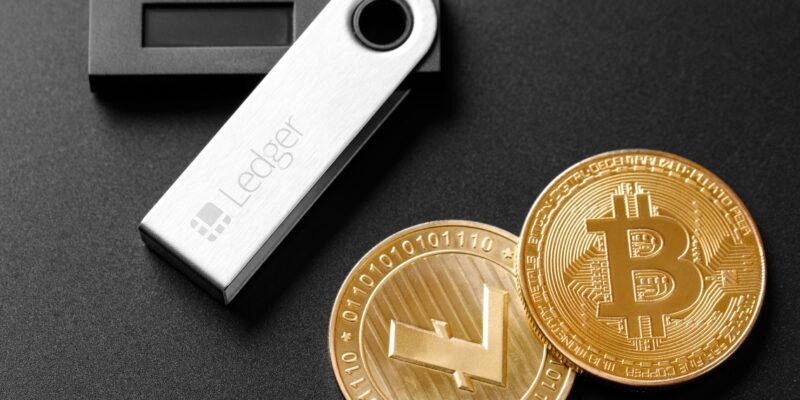
According to WSJ, the U.S. government holds its digital assets in hardware wallets. They’re being held pending the outcomes of prolonged legal processes. Once the government legally owns these assets through court orders, the U.S. Marshals Service handles liquidation, often over extended periods, to ensure market stability.
“We don’t play the market. We basically are set by the timing in our process,” Jarod Koopman, executive director of the IRS’s cyber and forensics services section, told WSJ. Profits from these sales frequently aid victims of related crimes or support governmental investigative efforts.
While the dark web is a risky place, it also has legitimate uses. It’s a lifeline for journalists under authoritarian regimes, whistle-blowers, oppressed communities, and privacy-seekers. Curious? Read our guide to visiting the dark web safely to learn more.
For more dark web news, follow us on X (Twitter), Threads, and Mastodon!