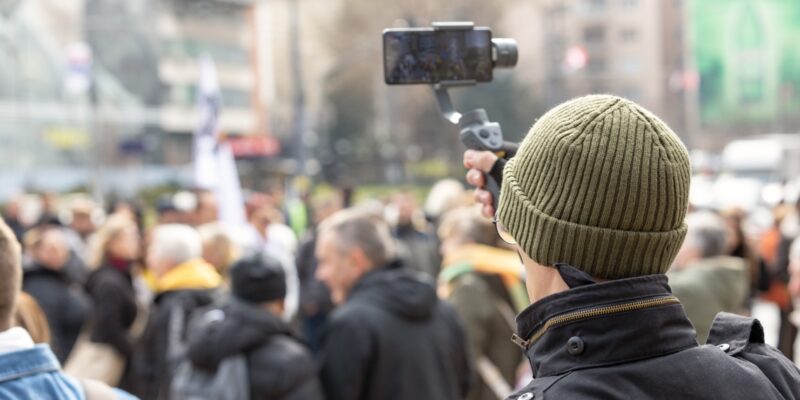

Private Internet Access (PIA) is offering free VPN service to journalists, non-profits, and NGOs working in high-risk environments under a new initiative dubbed “Privacy Pass,” the VPN provider announced on Monday.
“Privacy Pass is our way of directly supporting those who risk everything to help others. It’s the least we can do!” PIA said.
Journalists and humanitarian professionals face escalating threats online, like government surveillance, forced data handovers, and sophisticated cyberattacks like phishing scams, DDoS, and malware attacks.
In a blog post, PIA explained how a VPN can help to overcome these challenges. VPNs allow users to bypass censorship, access blocked information, and communicate securely despite restrictions.
“You qualify for PIA Privacy Pass if you’re a humanitarian professional — a journalist, reporter, aid worker, NGO ambassador, or nonprofit organization — operating in areas where your privacy might be at risk,” PIA said.
Protecting ‘the Digital Rights of Those Who Need It Most’
The online threats to journalists and NGO workers are not just theoretical but cold reality for many. In its latest report, Freedom House reported intensified digital repression, including internet shutdowns, increased surveillance, and assaults on free expression in countries like Iran, Myanmar, and the Philippines.
“If you ever travel to a high-risk country, never have sensitive communications without VPN protection. Authoritarian governments typically have full control of service providers and networks, and use them to spy on civilians, humanitarians, and reporters. Anything you say and do can (and probably will) be used against you, so VPN encryption is non-negotiable,” PIA warned.
To sign up for PIA’s Privacy Pass, journalists, NGO workers, and non-profits working in high-risk areas can contact this VPN provider via [email protected].
“If you meet the criteria, we appreciate the work you do, and we want to help by giving you full access to PIA VPN free of charge — no strings attached,” PIA added.
Staying Safe in High-Risk Areas
PIA provided some digital security tips to journalists and aid workers in high-risk areas:
- Use a VPN when traveling to high-risk countries for encrypted communications and privacy.
- Wipe your digital footprint by deleting potentially incriminating or controversial information from emails, chats, and social media.
- Secure your devices with updates, firewalls, antivirus, antimalware software, encryption, and strong passwords.
- Beware of phishing scams and verify the identity of people you communicate with. Avoid suspicious links or attachments.
- Use burner accounts (like anonymous email) and devices for sensitive communications, and disable location services, Wi-Fi, and Bluetooth when on the move.
- Be discreet in your communications using coded language, and be cautious with metadata. Use split tunneling for selective VPN routing.
- Pay attention to your surroundings, especially when using the internet in public. Use privacy screens and log from sessions after use.
- Know when to act in dangerous situations; consider live streaming or recording evidence, be aware of your location, and memorize emergency contacts and device emergency features.
We’ve conducted extensive tests on PIA’s VPN service. Read our PIA review to discover how this VPN service performed in our speed, unblocking, and security tests.
If VPNs are explicitly banned in your country or region, we advise extreme caution when using them. Check out our article on the legality of VPNs for tips on how to get around VPN bans.
For more news, follow us on X (Twitter), Threads, and Mastodon!